
Why Paver Patios Shift and Sink in Alaska
A paver patio can perform well in Alaska when its foundation, drainage, and construction suit the property. If site preparation falls short, pavers may sink, joints can widen, and sections of the surface can become uneven.
These problems often appear after the first winter, but their causes usually begin during installation. Understanding what makes pavers move can help homeowners evaluate an existing patio or make informed decisions when planning a new one.
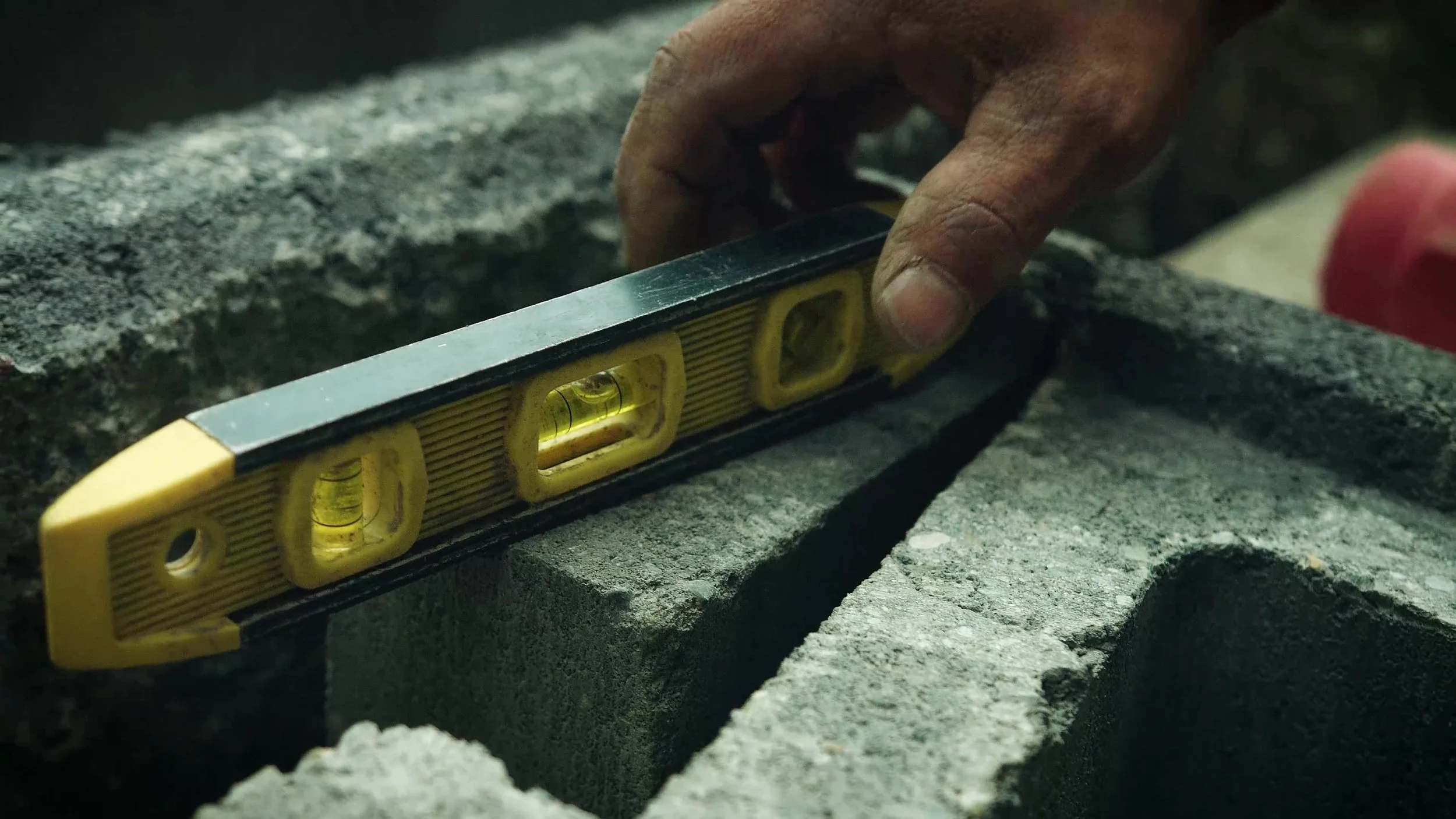
Why do paver patios sink in Alaska? Most movement occurs when water, unstable soil, or an inadequately compacted base compromises the support beneath the pavers. Freezing and thawing then expose those weaknesses.
Alaska’s Ground Creates Unique Installation Challenges
Water expands when it freezes. Moisture beneath a patio can push the surface upward during winter, then leave it uneven when the ground thaws. This seasonal movement is known as frost heave.
Spring breakup creates a different problem. Melting snow can saturate the ground while deeper layers remain frozen. With limited places to drain, water may collect beneath the patio and reduce the strength of the supporting soil.
Conditions can differ considerably across Palmer, Wasilla, Eagle River, and nearby Mat-Su communities. One property may contain gravelly soil that drains readily, while another has moisture-holding silt, clay, peat, or construction fill. Slopes, snow cover, and nearby development can also influence where runoff travels.
There is no universal base specification for every Alaska property. The installation plan should reflect the conditions found at the site.
Most Paver Problems Begin Below the Surface
Pavers are only as stable as the soil and aggregate supporting them. Problems develop when excavation, base construction, or existing ground conditions leave weak areas beneath the finished surface.
Excavation must reach dependable material. Loose soil, organic matter, and other unsuitable material can compress or retain moisture. If these layers remain beneath the patio, they may contribute to uneven settling.
The aggregate base must be built in controlled layers. Placing too much material at once prevents the compactor from reaching the lower portion effectively. A base that is too shallow or unevenly compacted can contain weak areas that collapse under use or seasonal ground movement.
New construction lots require additional planning. Utility work, heavy equipment, excavation, and final grading can disturb the ground around a recently completed home. Fill used to shape the yard may also continue settling after construction ends.
A finished house does not mean the surrounding ground is ready for pavers. Site conditions must be evaluated before the patio’s excavation depth and base construction can be determined.
Poor Drainage Can Make Pavers Sink
Paver surfaces are not completely waterproof. Rain and melting snow can pass through the joints, so water needs a reliable route away from the patio and home.
The finished grade should direct runoff toward an appropriate drainage area. Downspouts also require careful placement because concentrated roof runoff can saturate a single section, displace base material, or soften the soil underneath it.
Standing Water Is a Warning Sign
Water collecting on or beside a patio may indicate a low spot, an ineffective slope, or a blocked drainage route. Moisture entering that area can freeze and increase seasonal movement.
Leveling the visible pavers might improve the surface temporarily. It will not resolve the issue if runoff continues flowing toward the same location.
Edge Restraints Prevent the Patio From Spreading
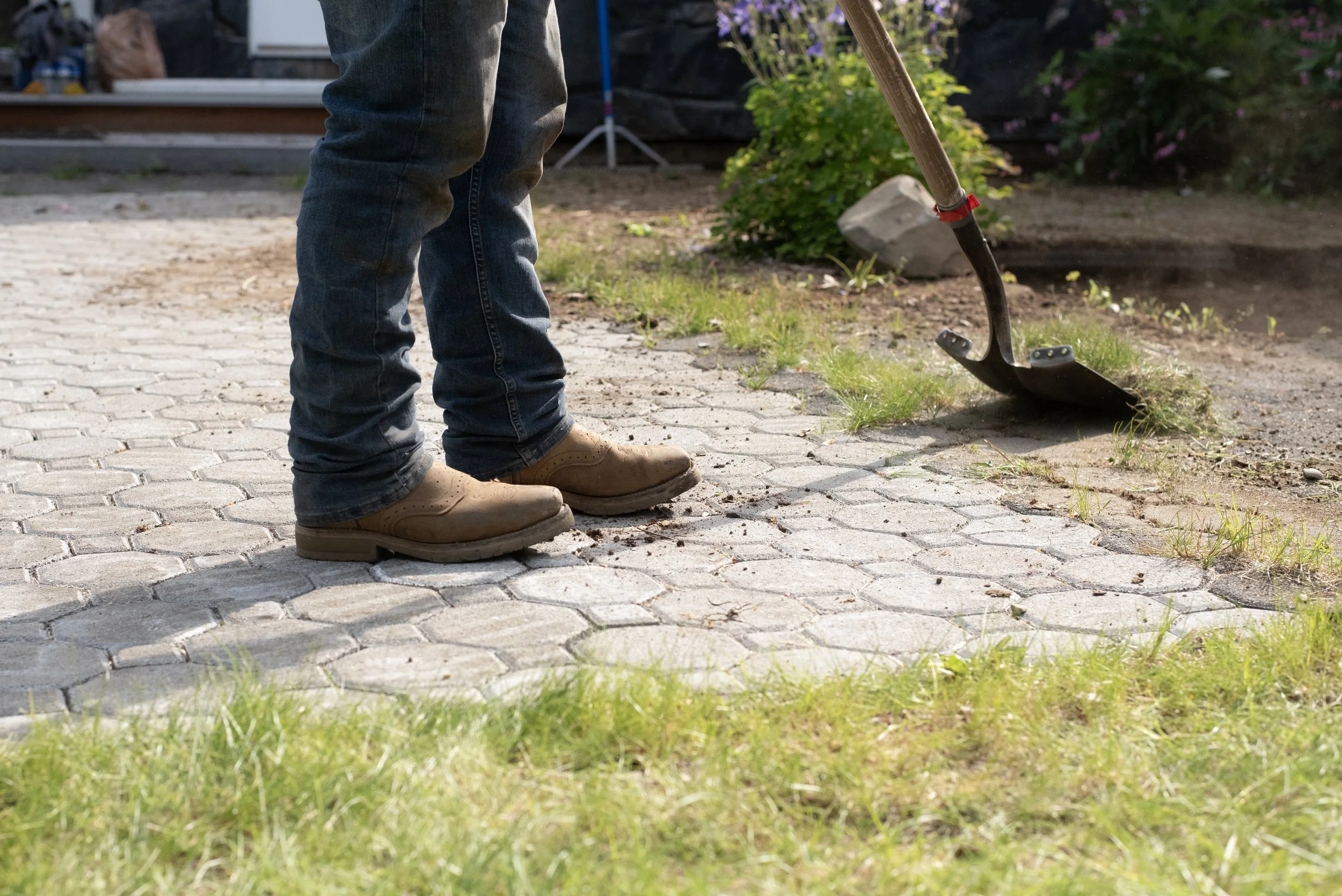
A paver pattern relies on support around its perimeter. Edge restraints keep outside units from migrating while joint material helps transfer loads between neighboring pavers.
Perimeter movement is more likely around:
Curved borders
Steps and elevation changes
Planting beds
Lawn transitions
Frequently used entry points
When outside pavers move away from the field, nearby joints widen and the pattern begins losing its interlock. That change can eventually affect units farther inside the patio.
Widening joints do not necessarily indicate defective pavers. They often point to inadequate support along the edge.
Problems May Not Appear Until After the First Winter
A new patio can remain level during its first summer because the ground has not completed a full seasonal cycle. Winter freezing and spring thaw provide a much tougher test of the installation below.
Early signs of movement include:
Isolated dips or raised units
Loose pavers along the perimeter
Joints that continue growing wider
New areas of standing water
Edges separating from steps or walkways
These symptoms help identify where movement is occurring, but they do not always reveal its cause. Determining whether the issue is isolated or structural may require inspecting the layers beneath the surface.
Can a Sunken Paver Patio Be Fixed?
Usually, yes, but the right solution depends on why the pavers sank and how much of the patio is affected.
A small low spot can sometimes be lifted and releveled if the surrounding base remains stable and drainage is not contributing to the movement.
Widespread or recurring sinking points to a deeper problem. Unstable soil, inadequate base construction, uncontrolled runoff, or failed edge restraints may affect a larger area. Resetting the visible pavers may improve the appearance, but the movement can return if the underlying issue remains.
These failures also show what homeowners should look for when planning a new patio. A qualified installer should be able to explain how the site will be prepared, where water will drain, how the base will be constructed, and what will keep the perimeter secure.
What Proper Paver Patio Installation Requires in Alaska
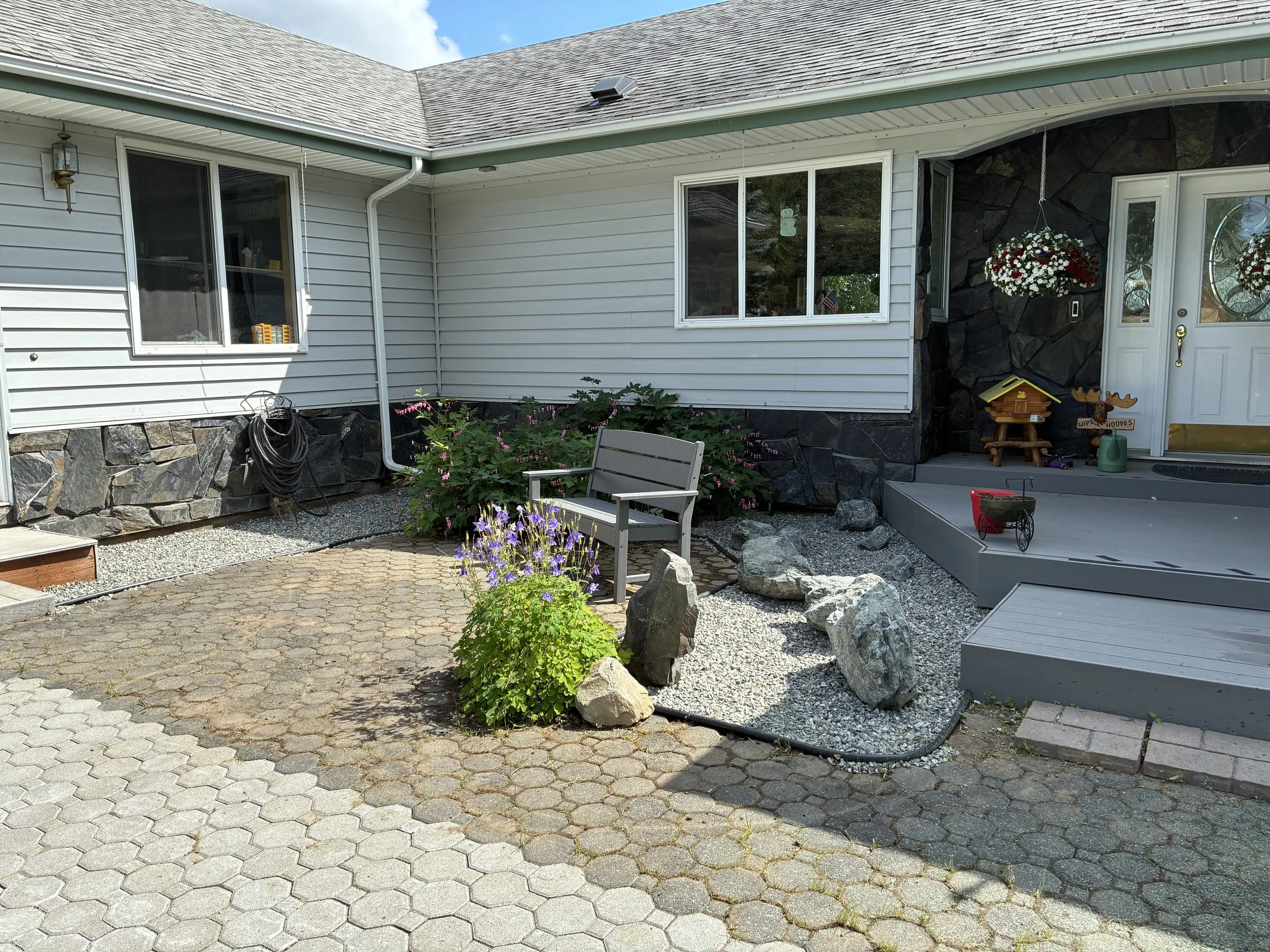
Successful paver patio installation in Alaska begins with a plan for the entire system. Soil conditions, elevation changes, drainage routes, intended use, and connections to the home should influence how the project is built.
Site Preparation
Excavation must reach an appropriate depth for the property. Weak or organic material may need to be removed or stabilized before construction continues.
Layered Base Construction
Aggregate should be installed and compacted in controlled lifts. This method creates consistent support across the patio and limits hidden areas of loose material.
Drainage and Grading
The finished elevation should carry runoff away from the house without creating a problem elsewhere. Nearby slopes, downspouts, walkways, steps, and planting beds all influence the drainage plan.
Surface and Perimeter Support
Bedding material creates a uniform setting layer for the pavers. Secure restraints, filled joints, and final compaction help maintain the pattern and stabilize its edges.
The patio’s intended use also shapes the project. A large dining area may require different dimensions, access, and layout decisions than a compact seating space. Furniture placement and future landscape features should be considered before excavation starts.
Plan Your Patio With a Local Team That Understands Alaska Properties
Every yard presents a different combination of soil, slope, water movement, and usable space. Walker Landscapes takes the time to learn how you want to use your patio and assess what the property requires before developing the design.
Our Walker Landscapes team installs paver patios in Palmer, Wasilla, Eagle River, and communities throughout the Mat-Su Valley. Bring us your questions, ideas, and concerns about the site. Schedule a consultation to start planning a patio designed for your home and built with local conditions in mind.
About Walker Landscapes
Walker Landscapes is a family-owned company proudly serving the Mat-Su Valley, Eagle River, Anchorage, and surrounding communities with professional landscape design and installation for residential and commercial properties. The team understands how Alaska’s short planting season, freeze-thaw cycles, drainage patterns, and varied soil conditions affect every stage of a project.
From paver patios and retaining walls to complete yard transformations, Walker Landscapes plans each installation around the property. Careful attention to soil preparation, grading, drainage, and paver base construction helps create outdoor spaces that establish successfully and perform reliably through Alaska’s demanding seasons.

Seth Walker, Co-Owner

Jeff Walker, Co-Owner
