
What to Do With Your Yard After Building a New Home in Alaska
Building the house is only half the project. Once construction wraps up, many homeowners are left dealing with muddy areas, uneven ground, exposed rock, and drainage problems that make the yard feel unfinished.
As new homes continue to fill developments like North Village and South Village in Palmer, more Mat-Su homeowners are running into the same issues after move-in day. The first breakup season often reveals standing water, soft ground, and low areas damaged by heavy equipment traffic.
Before installing a lawn, planting trees, or building outdoor features, it helps to slow down and make a plan. In Alaska, grading, drainage, and timing all affect how well a new construction yard handles wind, snow, moisture, and seasonal changes over time.
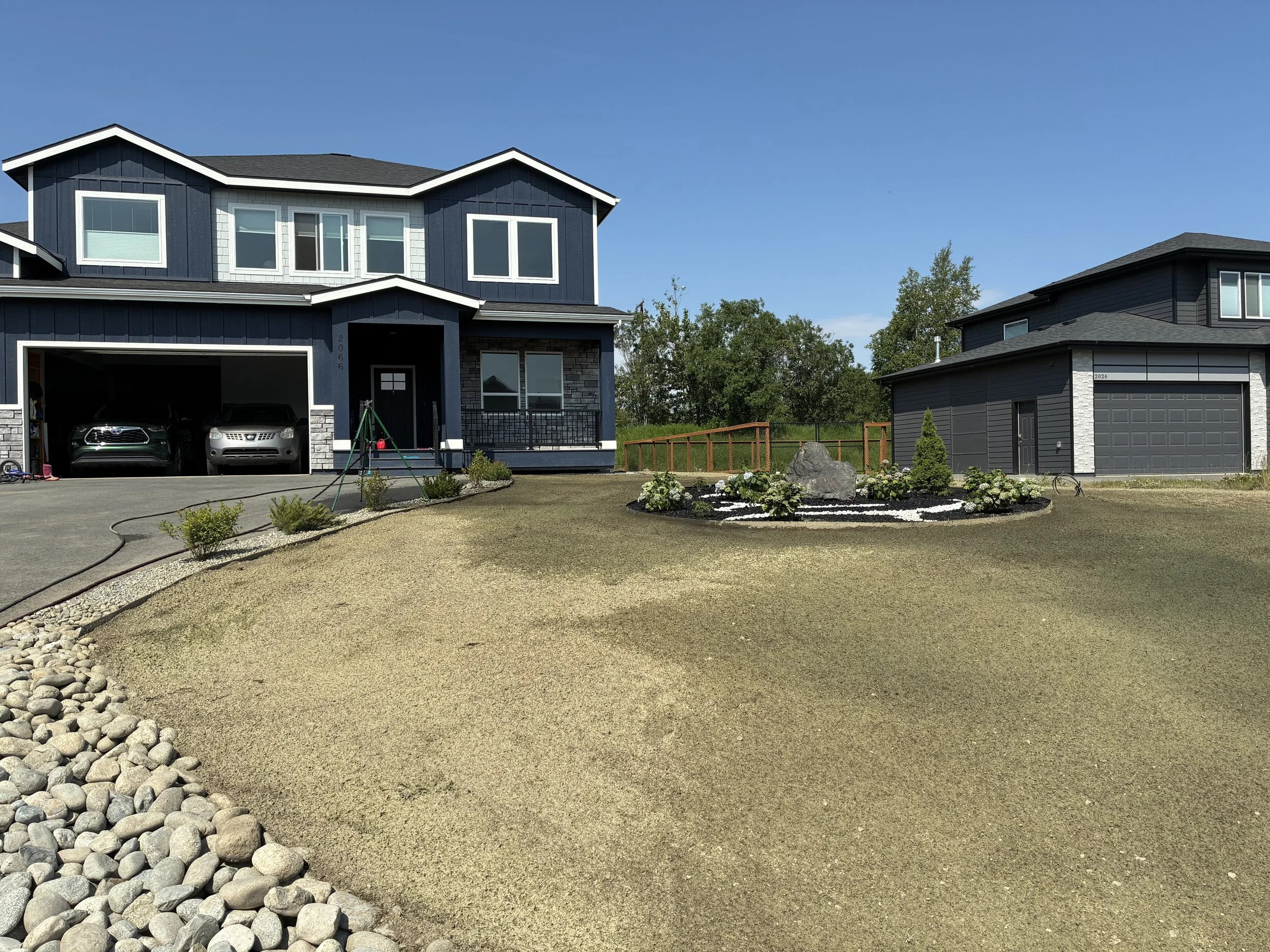
Fresh landscaping for a new construction home in the Mat-Su Valley.
Before installing a lawn, planting trees, or building outdoor features, it’s important to slow down and make a plan. In Alaska, grading, drainage, and timing can have a major impact on how well a yard holds up through wind, snow, and short summers.
Why New Construction Yards Often Become Muddy
The first winter tends to expose everything a builder’s final walkthrough does not. Once the snow melts off, many homeowners start noticing soggy corners, gravel working its way to the surface, and sections of lawn that never filled in properly.
Across newer Mat-Su developments, it’s common to see shallow tire ruts reappear after rain and low areas stay wet far longer than expected. Some yards even begin settling slightly near walkways, driveways, or utility trenches during the first year.
Why Newly Built Yards Behave Differently
New construction changes the ground more than most homeowners expect. Months of excavation and heavy equipment leave the soil dense, uneven, and difficult for new grass to become established.
Older yards have years of root growth helping stabilize the surface. New lots are more exposed to snow drift, intense winds, and breakup season, especially in open areas without mature trees or vegetation.
Alaska Weather Changes How a Yard Behaves
In newer Mat-Su developments, many lots are exposed to wind, drifting snow, and direct sun without mature trees or natural protection. That exposure affects how quickly grass establishes, how moisture moves across the property, and how the ground holds up through the seasons.
Wind exposure creates challenges. Fresh seed can dry out quickly during Palmer’s windy early summers, especially on open lots without windbreaks. Snow also tends to drift unevenly around driveways, fences, and walkways during winter.
Breakup season reveals weak spots. As the frost leaves the ground, low areas soften first and water begins following the easiest path across the property. Many homeowners do not notice grading or drainage issues until the first full thaw in spring.
Fix Muddy Areas Before Landscaping a New Construction Yard
A yard can look finished and still move water in all the wrong directions. Before installing grass, trees, or garden beds, it’s important to make sure runoff has somewhere to go during rain and spring melt.
In many new construction yards, small low spots are easy to miss until the first heavy rain or breakup season. Water begins collecting near foundations, driveways, and walkways, especially in areas where the ground settled unevenly after construction.
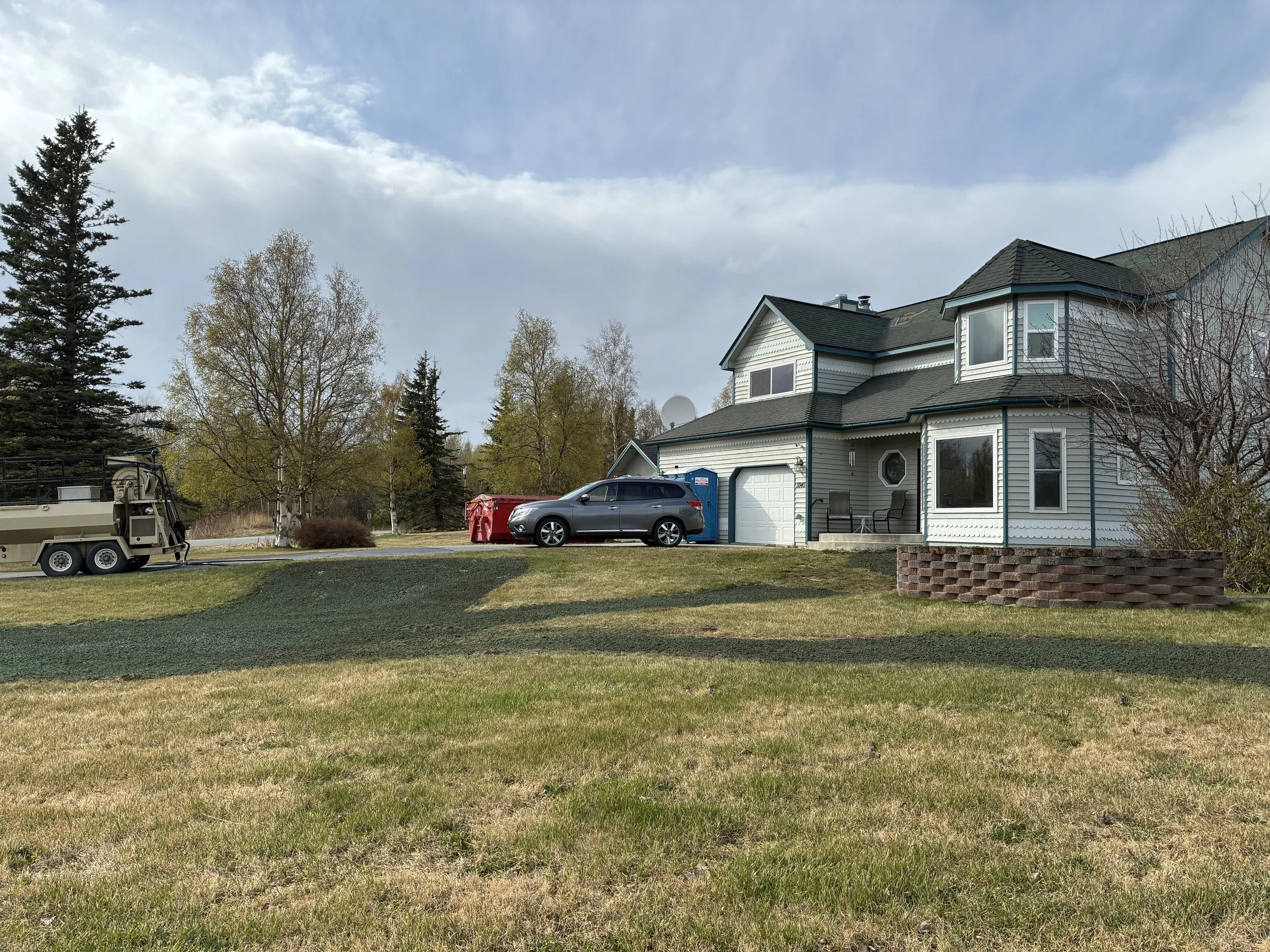
Proper grading and drainage planning help protect new Alaska yards from runoff and uneven settling.
Grading Shapes How Water Moves
The goal is simple: move water away from the home before it collects near foundations, driveways, or walkways. Fixing slopes early is far easier than reworking a finished lawn later.
Some warning signs show up quickly:
Standing water after rain
Soggy lawn sections that stay wet longer than surrounding areas
Ice buildup near walkways and driveways
Soil or mulch washing into gravel or pavement
Drainage problems rarely stay contained to one area. Over time, water movement can affect lawn growth, create uneven surfaces, and make seasonal maintenance far more frustrating than it needs to be.
Build a Yard That Fits How You Actually Live
A yard should support daily life before it becomes a landscaping project. In the Mat-Su, space, weather, and seasonal use all shape how a property functions year-round.
Space for RVs, Trailers, and Equipment
Many homeowners need room for trailers, boats, snowmachines, or RV parking. Planning access and turnaround space early helps prevent muddy sections and damaged traffic areas later.
Planning for Snow Storage
Snow piles can take up more space than expected during winter. Setting aside storage areas early helps protect lawns, walkways, and drainage paths.
Creating More Comfortable Outdoor Areas
Fence placement and wind protection can make outdoor spaces more usable during summer, especially on open lots. A thoughtful layout also creates better spaces for patios, fire pits, and seating areas.
When to Start Landscaping a New Home in Alaska
Timing plays a major role in how a new yard develops in the Mat-Su Valley. Grass seed, topsoil, and freshly graded ground all respond differently depending on when the work happens.
Early summer usually gives new lawns the strongest start.
Longer daylight supports faster growth
Warmer soil encourages deeper root development
New grass has more time to mature before winter returns
The type of grass used also affects how well a lawn handles Alaska weather, especially on exposed lots with shifting moisture and wind conditions.
Late-season projects leave less time for roots to develop before freeze-up returns.
Fall projects usually require more monitoring. Fresh seed often needs additional watering during dry periods, and unfinished ground is harder to stabilize heading into winter.
For larger properties, phased landscaping plans are often more effective than trying to complete the entire yard in a single season.
Hydroseeding vs Sod for New Construction Yards in Alaska
Hydroseeding is common across the Mat-Su Valley, especially on larger new construction lots where coverage, cost, and erosion control all matter. Sod provides a faster green appearance, but it typically comes with higher material and installation costs.
Both options can work well in Alaska, but they establish differently and require different levels of maintenance during the first season.
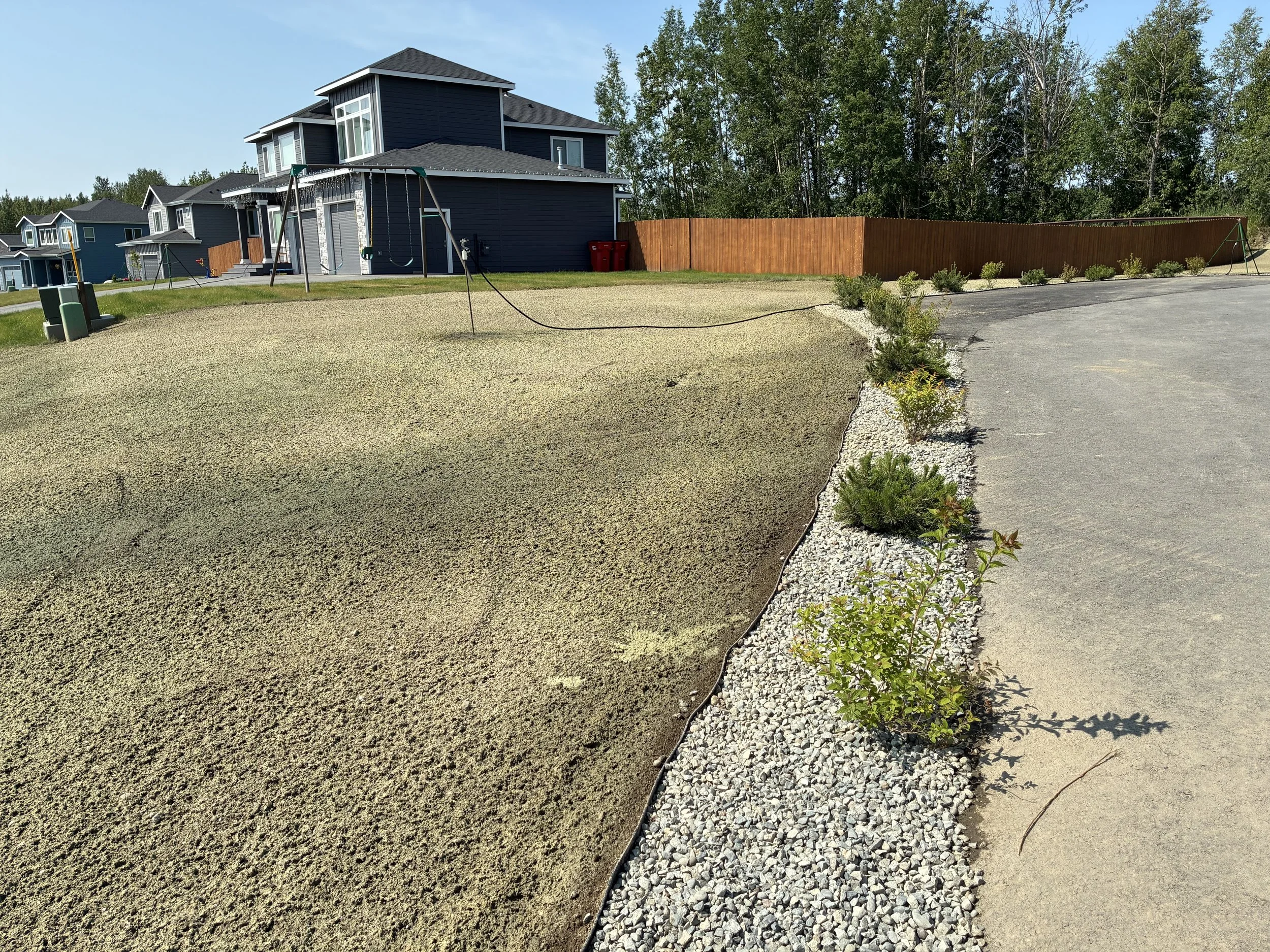
Fresh hydroseeding and new landscaping taking shape around a Mat-Su construction home.
Choosing the Right Option for Your Property
The best choice often depends on:
Lot size
Irrigation access
Wind exposure
How quickly the yard needs usable lawn coverage
Long-term maintenance expectations
Many homeowners with larger properties choose hydroseeding because it covers wide areas efficiently while still establishing durable lawn coverage.
Common Mistakes Homeowners Make After Construction
It’s tempting to finish the entire yard immediately after moving in, especially after a long construction process. In practice, rushing landscaping decisions often leads to extra repairs, rework, or layout problems later.
Trying to complete everything at once. Scrambling to finish too much in one season often leads to rushed decisions and uneven results.
Landscaping before the ground has fully settled. Freshly disturbed areas can continue shifting during the first year, especially around walkways, driveways, and utility trenches.
Overlooking long-term function. Access for trailers, snow storage, drainage flow, and seasonal maintenance all affect how well a yard works over time.
Planting without considering Alaska conditions. Wind exposure, snow load, sunlight patterns, and soil conditions all affect how trees and shrubs establish on newer Mat-Su lots.
Building a yard that performs well through Alaska’s changing seasons takes more planning than most people expect. Thoughtful landscaping decisions early on can help avoid expensive adjustments later.
When It Makes Sense to Bring in a Landscaping Contractor
Some parts of a new construction yard are difficult to correct without the right equipment and site preparation experience. Large-scale grading, drainage correction, excavation, and hydroseeding often go more smoothly when planned early.
For larger Mat-Su properties, phased landscaping plans can also make projects easier to manage over time instead of rushing to finish everything at once.
Proper Site Preparation Matters
A new home is a long-term investment, and your yard should support it from the beginning. Correct grading and drainage planning help create a more stable landscape while reducing the risk of settling, erosion, and repeat repairs later on.
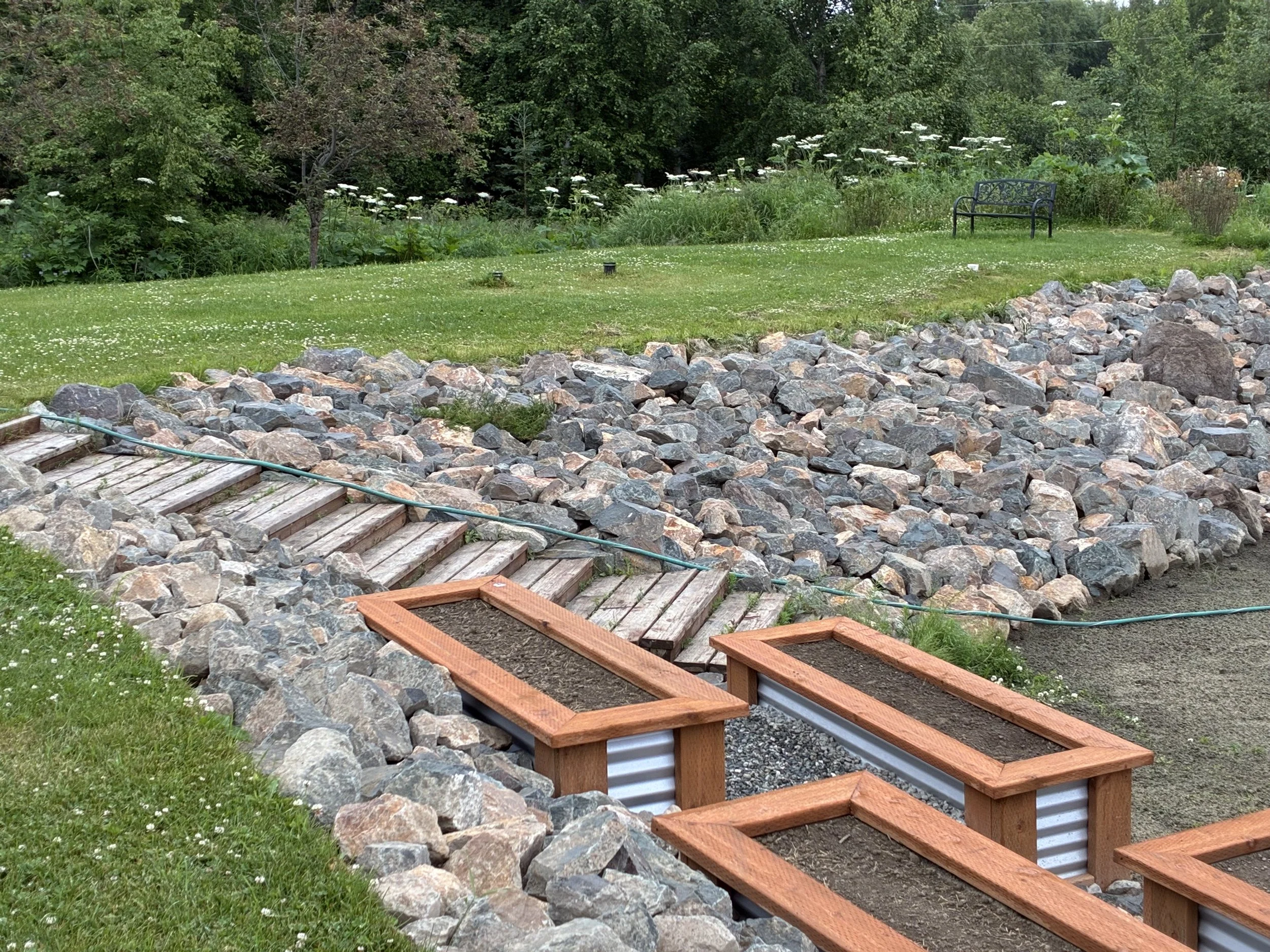
Build a Yard That Works Through Every Alaska Season
A new construction yard takes time to come together, especially in the Mat-Su where wind, snow, breakup season, and short summers all affect how a landscape performs over time. The right grading, drainage, plant selection, and understanding of microclimates can make a major difference in how well a yard performs year after year.
From hydroseeding and excavation to drainage correction and long-term planning, the Walker Landscapes Team is here to help you build a yard that feels complete, functional, and enjoyable year-round.
About Walker Landscapes
Walker Landscapes proudly serves the Mat-Su Valley, Anchorage, and surrounding communities with professional landscape design and installation for residential and commercial properties. With a clear understanding of Alaska’s short planting season and how local conditions affect timing, the team helps homeowners make confident decisions from the start.
From patios and retaining walls to complete yard transformations, Walker Landscapes designs and installs outdoor spaces that establish properly, perform reliably, and continue to improve year after year.

Seth Walker, Co-Owner

Jeff Walker, Co-Owner
