
How Road Salt Affects Lawns, Trees, and Gardens in Alaska
When winter finally loosens its grip, most Alaska homeowners expect their yards to bounce back. What they don’t expect is damage caused by what kept the roads safe all season.
Salt brine and liquid de-icing chemicals used on Alaska roads don’t stay put. They’re sprayed into the air, pushed outward by traffic, and carried by melting snow into nearby lawns, trees, and garden beds. By spring, the effects often appear as thinning grass, browning evergreens, and plants that struggle to recover even with proper care.
Understanding how road salt affects landscaping helps homeowners spot problems early and make smarter decisions that protect their yards long after the snow is gone
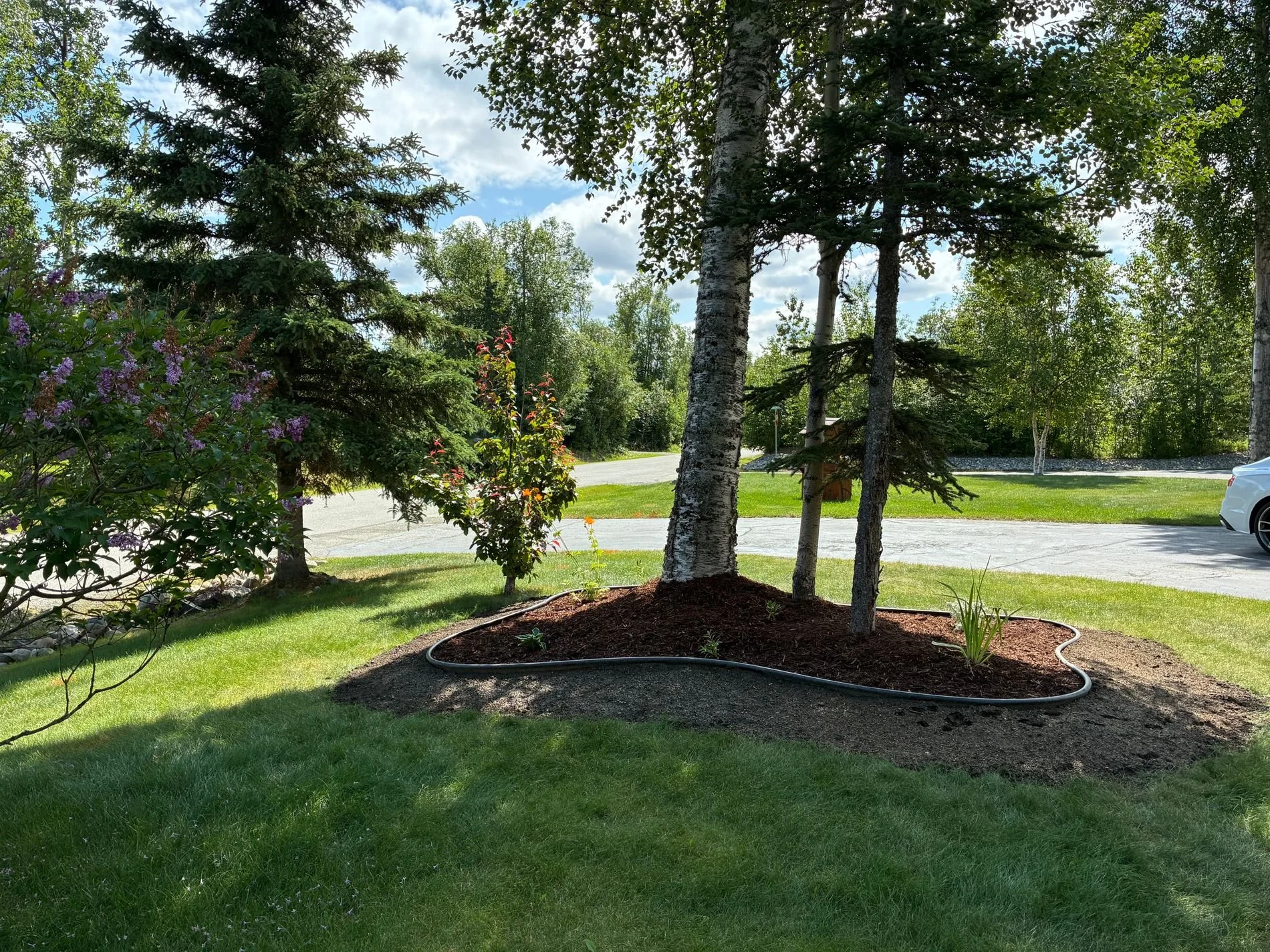
What’s Actually Being Put on Alaska Roads
When most people think of road salt, they picture dry crystals scattered on icy pavement. In Alaska, winter road treatment usually looks different.
The Alaska Department of Transportation primarily uses salt brine and magnesium chloride. These liquid de-icers are sprayed onto roads to prevent ice from bonding to the surface and remain effective in colder temperatures than traditional rock salt. They work quickly, require less material, and improve winter driving conditions across large areas.
The tradeoff is that liquid de-icers don’t stay where they’re applied.
Why These De-Icers Don’t Stay on the Road
Traffic pushes liquid treatments outward while wind carries fine spray beyond the pavement. As snow melts, leftover residue drains off roads and into nearby soil. Over the course of a long winter, salt builds up along driveways, sidewalks, and road-facing yards, often causing damage before spring arrives.
How Road Salt Affects Plants Over Time
As salt accumulates in soil, it disrupts how plants absorb water. Even when moisture is present, roots struggle to take it in, leading to stress that weakens plants over time.
Salt residue can also settle on leaves and needles, particularly near roads and driveways. This surface exposure damages plant tissue and interferes with nutrient uptake, making it harder for plants to grow normally and recover after winter.
Common Signs Homeowners Notice in Spring
Salt damage often becomes visible as snow melts. Common signs include:
Browning or crispy leaf edges
Thinning or patchy lawns near treated surfaces
Evergreens with yellow or rust-colored needles
Slow or uneven growth despite regular watering
Why Evergreens Tend to Show Damage First
Evergreens are exposed to road salt year-round. Their needles trap salty spray more easily than broad leaves, and repeated snow buildup near roads increases contact throughout winter. This combination makes damage more noticeable earlier in the season.
Hidden Effects of Road Salt in Alaska Yards
Not all salt damage appears right away. Some of the most persistent problems develop below the surface and continue affecting your yard well after winter.
Soil Changes That Don’t Correct Themselves
Salt buildup near paved areas can harden soil and restrict water and oxygen flow to roots. After snowmelt, these zones often drain poorly, creating conditions that stress plants and slow recovery.
Typical soil issues include:
Compacted or crusted soil near roads and driveways
Poor drainage after snowmelt and spring rain
Soil imbalances that interfere with new plant growth
Alaska-Specific Concerns Homeowners Don’t Always Expect
During spring breakup, salt-filled runoff often collects in garden beds and low areas, increasing exposure where plants are most vulnerable. Salt residue can also attract wildlife such as moose and rabbits, leading to added plant damage. On some properties, repeated salt exposure may raise concerns for nearby wells or sensitive groundwater.
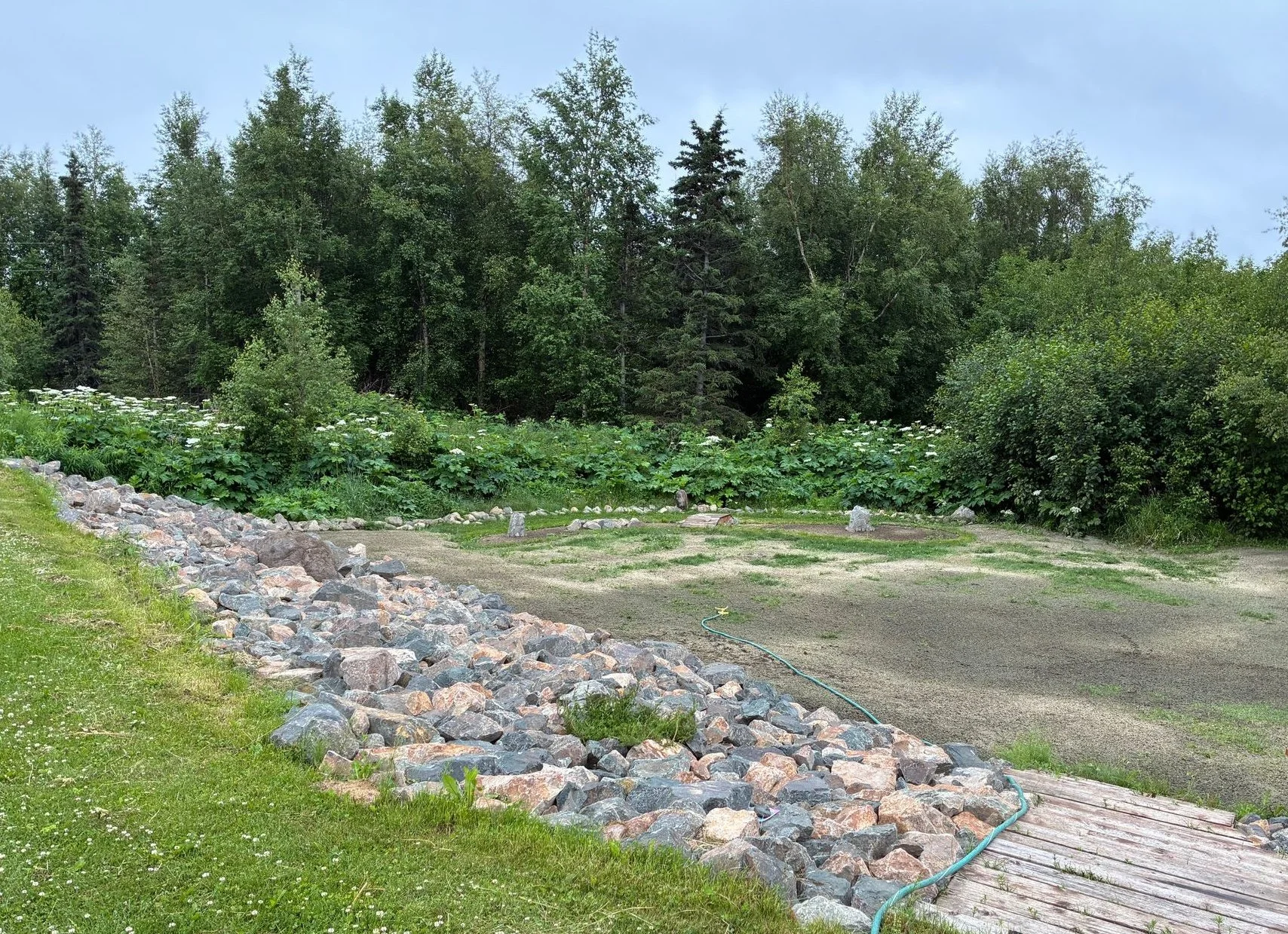
Why Certain Areas of Your Yard Struggle Every Spring
When the same patches of lawn or shrubs fail year after year, it’s rarely random. These areas experience repeated salt exposure through spray, snow storage, and runoff throughout winter.
Road-facing lawns, driveway edges, and walkways collect layered exposure as plowed snow is pushed into the same spots and meltwater drains through them repeatedly. Low areas act as collection points, concentrating salt directly in root zones.
The takeaway isn’t just where damage occurs, but how these zones should be treated differently. High-exposure areas benefit from tougher plant choices, better drainage, and layouts designed to manage runoff rather than fight it.
How to Reduce Road Salt Damage in Residential Yards
You can’t control what’s applied to Alaska roads, but you can reduce how much of it reaches your landscaping. With a few thoughtful choices, you can significantly reduce its impact and help your landscaping recover stronger each spring.
Direct Meltwater Away from Plants
Where water flows matters. Grading adjustments and well-planned drainage help guide salt-laden snowmelt away from lawns and garden beds. Being intentional about where plowed snow is piled can also reduce salt buildup in high-risk areas.
Create Physical Barriers Where Exposure Is High
Temporary barriers like burlap wraps or snow fencing can shield shrubs from salt spray in winter. In permanent designs, low walls, raised beds, or planting buffers help block splash and spray while still looking intentional.
Flush Soil in Early Spring
After the ground has thawed and can drain, a one-time deep watering can help rinse excess salt out of the root zone. This is a short-term step, not extra watering throughout the season. Once complete, return to normal watering based on your plants’ needs.
Plan With Salt in Mind From the Start
The most effective protection happens during design. Thoughtful layout, soil preparation, and plant placement can limit salt exposure before it becomes a recurring problem.
Why Some Plants Perform Better Near Roads
Plant selection plays an important role in how well a landscape holds up near roads and driveways. Some plants recover more reliably from seasonal salt exposure, making them better suited for high-traffic areas.
In Alaska landscaping, species such as cottonwood, highbush cranberry, and fescue grass blends are often used in road-facing zones because they tend to rebound more consistently after winter. They handle the repeated exposure that comes with snow storage, runoff, and spray better than more sensitive plants.
This doesn’t mean they belong everywhere. The real advantage comes from placement. Using more resilient plants where exposure is unavoidable allows more delicate plantings to thrive in protected areas and helps the entire landscape recover more evenly each spring.
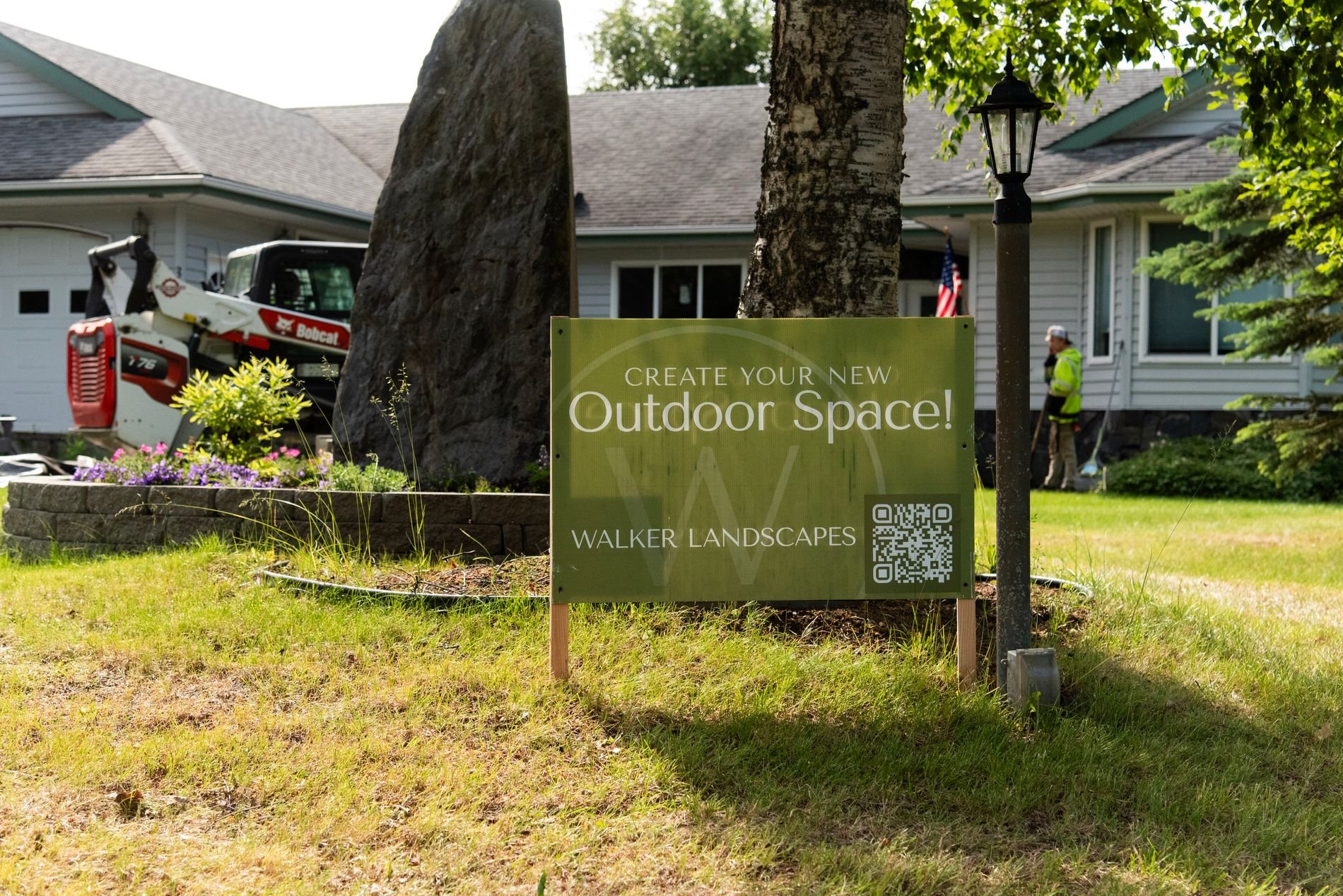
When Professional Landscape Planning Makes the Difference
The best landscapes aren’t surprised by Alaska winters. They’re built for them.
Thoughtful landscape design plans for winter from the beginning, accounting for water flow, snow storage, and exposure. With proper grading, soil preparation, and plant placement, landscapes recover more easily each spring and stay healthier over time.
Walker Landscapes designs and installs outdoor spaces made for Alaska conditions. Whether you’re starting fresh or improving an existing yard near roads and driveways, the right design helps protect your investment and extend the life of your landscaping.
Have questions or planning ahead? Call (907) 357-2555 to talk with our team about landscape design and installation for Alaska conditions.
About Walker Landscapes
Walker Landscapes serves the Mat-Su Valley, Anchorage, and nearby communities with expert landscaping for residential and commercial properties. From low-maintenance plant selection and sod installation to patios and garden beds, we design durable, functional landscapes built for Alaska’s climate. Our team brings local experience and a commitment to quality, helping properties across the region perform well and look their best season after season.

Seth Walker, Co-Owner

Jeff Walker, Co-Owner
